Empowering FLINTA* Voices: Our Experience at the reher*sal Conference 2026
February 12, 2026Last week, we had the pleasure of sponsoring the inspiring reher*sal Conference 2026. It is a vibrant gathering dedicated to public speaking, confidence building, and creating space for FLINTA* speakers in the tech world to grow and shine. FLINTA* stands for Women, Lesbians, Intersex, Non-binary, Trans, and Agender people, with the asterisk representing additional gender identities beyond these terms. The acronym is commonly used in German-speaking contexts to describe groups that are structurally underrepresented, particularly in fields like tech.
Held at the SAE Institute in Hamburg on February 6, this event brought together both experienced and aspiring speakers in a welcoming, supportive environment that was truly something special.
A Supportive Space - Not only for First-Time Speakers
What stood out most was the atmosphere: genuinely encouraging and inclusive. Many speakers took the stage for the very first time, bravely sharing their thoughts, ideas, and perspectives with an engaged audience. It was truly inspiring to see newcomers stepping up and delivering such impressive talks.
However, what truly sets reher*sal apart is its focus on development. Feedback played a central role throughout the day. After every talk, participants were invited to share their thoughts through a structured online feedback form, which was later shared directly with the speakers. The goal wasn’t evaluation, but improvement.
The form encouraged constructive, actionable input on aspects such as clarity, storytelling, stage presence, slide design, or delivery. This approach ensured that feedback was thoughtful, respectful, and genuinely helpful, giving speakers concrete ideas on how to refine their performance for future stages.
Having the feedback collected digitally and shared afterward also allowed speakers to reflect calmly and intentionally, rather than reacting in the moment. It reinforced what reher*sal stands for: creating a safe environment where growth is continuous and supported.
Stories From the Stage
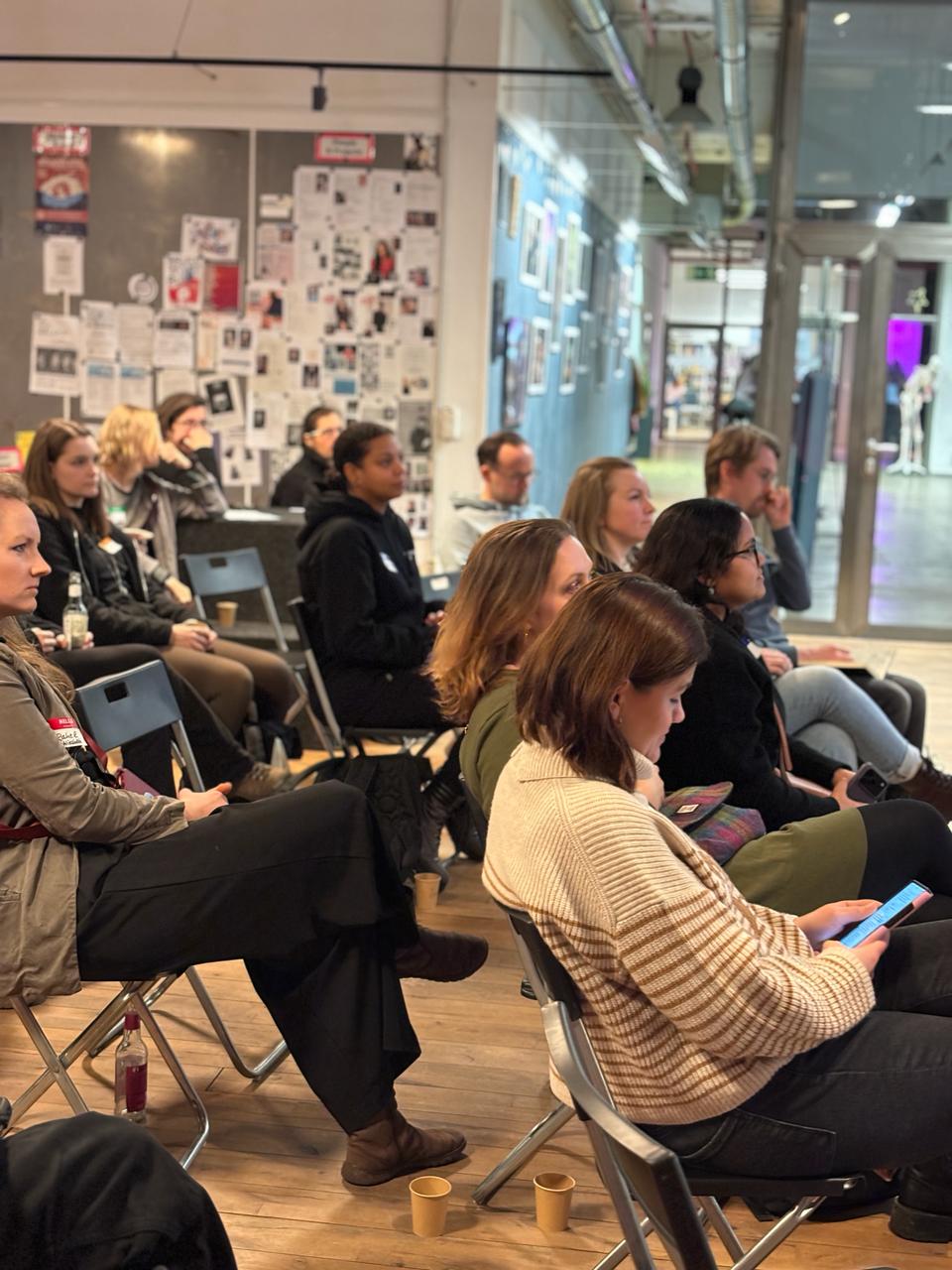
I had the opportunity to give a talk about something most of us experience but rarely talk about openly: presentation failures.
My core message was that good preparation is the best way to reduce stress on stage. When you know your structure, your key messages, and your transitions, you create mental headspace. And that headspace is exactly what helps you stay calm when something unexpected happens.
At the same time, I wanted to normalize something important: failures happen to everyone. No matter how experienced you are, things can go wrong. And that’s okay. It’s not the end of the world. The world will keep spinning. In fact, those imperfect moments can become special. They make a talk human. They create authenticity. Not everything has to be polished to perfection.
One practical idea I shared was to actively involve the audience when things don’t go according to plan. As a speaker, you’re the expert on the topic and the audience is there because they’re genuinely interested. Worst case? You turn the moment into a discussion. Or you debug a live demo together. That shift alone can transform stress into connection.
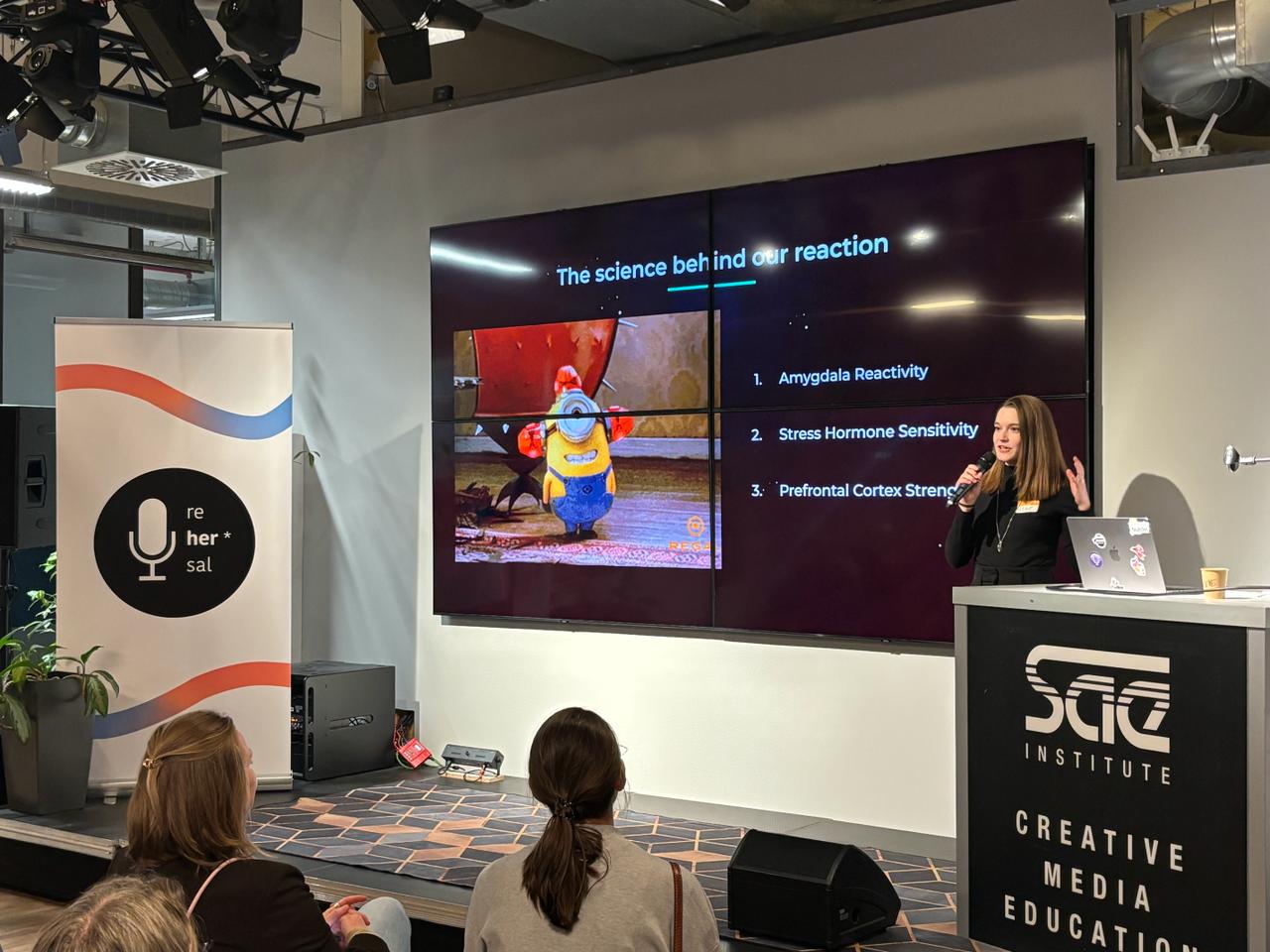
But the conference wasn’t just about talks, it also offered hands-on workshops, group sessions, and mentorship opportunities. Participants gained insights on everything from discovering topics and crafting compelling openings, to networking with peers and experienced professionals.
These experiences created real space for confidence to grow. Whether someone was testing out a bold new idea or plotting their next public appearance, everything was possible.
What Makes a Good Panel? Insights from “A Panel About Panels”
Another highlight of the day was a meta-session: a panel about panels. This format offered valuable insights into what makes a panel discussion truly engaging - both from the moderator’s perspective and from the participant’s perspective. It explored questions like:
- How do you prepare as a moderator to create space for all voices?
- How can panelists contribute meaningfully without dominating the conversation?
- What makes a discussion dynamic instead of a series of mini-monologues?
- And how much preparation is actually necessary beforehand?
One key takeaway was that strong panels don’t just happen spontaneously, they require intention and preparation on both sides. Moderators need a clear structure, thoughtful questions, and strategies for guiding the conversation. Panelists, on the other hand, benefit from clarifying their key messages in advance and thinking about how they want to complement (not repeat) each other.
The session made it clear: great panels are carefully designed conversations, not improvised chaos. And just like individual talks, they thrive in environments built on respect, listening, and mutual support.
Community and Connection
After the sessions wrapped, attendees continued conversations over drinks, exchanging feedback, future ideas, and support.
A big shoutout to the amazing reher*sal organizers, volunteers, speakers, and attendees: thank you for creating such a welcoming, empowering space. Conferences like this really make a difference, not just in skills, but in confidence, visibility, and community. 🫶
Anne is AWS Community Builder and Cloud Consultant at superluminar. With her passion for software development and everything to do with the cloud, she is always striving to learn more about the latest technologies and trends and to expand her skills. In this blog, she shares her insights and her knowledge on AWS-specific topics.